Floral Umbrella: A Spring Craft Design That Actually Stitches Well
As someone who’s digitized, stitched, and sold hundreds of embroidery designs—mostly for small shops, Etsy sellers, and custom apparel clients—I opened Floral Umbrella expecting charm, but not quite this level of quiet confidence. It’s a spring-themed craft design that doesn’t shout “seasonal.” Instead, it breathes: soft curves, balanced negative space, and botanical rhythm that feels intentional—not decorative filler. I tested it on a linen-cotton tea towel first (a common small-shop staple), then moved to a structured cotton tote and a lightweight baby sweatshirt. Here’s what held up—and where you’ll want to pause before pressing “embroider.”
First Impressions: Light, Layered, and Legible at Scale
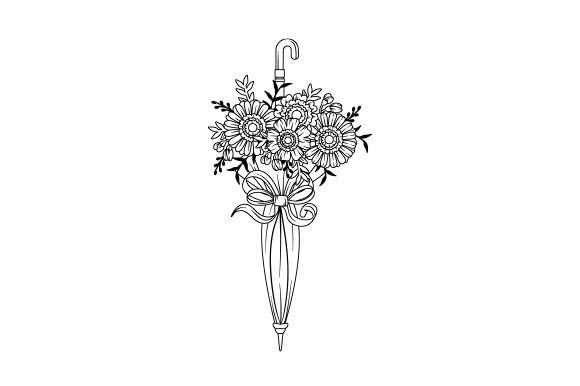
The Floral Umbrella layout is deceptively simple: an open umbrella silhouette filled with trailing vines, tiny blossoms, and subtle leaf clusters. No dense filler stitches or aggressive satin borders—just clean outlines and gentle fill stitch gradients. That makes it unusually versatile. It reads clearly at 3.5 inches wide (ideal for a pocket or cap front) but expands gracefully to 6 inches without losing definition on a pillow cover or apron panel. The mood? Calm, curated, slightly nostalgic—think cottagecore meets modern craft boutique. Not overly sweet, not too minimalist. Just right for customers who choose handmade because they care about intention, not just aesthetics.
Where It Shines in Real Projects
- Tote bags & aprons: The open shape anchors well on vertical fabric grain. On a natural canvas tote, Floral Umbrella stitched cleanly with medium-weight cutaway stabilizer—no puckering, no thread breaks. The vine trails softened the rigidity of the bag’s seams.
- Baby items & nursery decor: Used on a bamboo-cotton onesie with soft tear-away, the design stayed breathable and gentle against skin. The absence of heavy satin stitching meant no stiffness—a real win for delicate garments.
- Embroidered patches & tea towels: Because the outer umbrella edge is a single smooth curve (not jagged or overly detailed), it hooped easily and peeled cleanly from stabilizer. Perfect for iron-on or sew-on patches destined for denim jackets or market stalls.
- Small business branding: As a subtle logo alternative on packaging tags or shop banners, Floral Umbrella holds visual weight without overwhelming. Paired with a clean sans-serif, it communicates craft, seasonality, and care—without saying a word.
Where to Proceed With Care
This isn’t a “throw-it-on-anything” design—and that’s its strength. It asks for thoughtful placement. Avoid it on highly textured fabrics like bouclé or thick terry cloth unless you’re willing to adjust stitch density manually. On stretchy knits (e.g., lightweight sweatshirts), use a light fusible + tear-away combo and reduce top tension slightly—the delicate vine tips can distort if the fabric shifts mid-stitch.
Dark fabrics? It works—but only if you test thread contrast first. The inner floral details rely on tonal variation, not stark outlines. A charcoal grey thread on black fabric will vanish. Go one or two shades lighter, or switch to a matte pearl cotton for lift. Also, skip curved surfaces like baseball caps unless you’re using a cap frame: the umbrella’s width stretches awkwardly over domed areas, and the lower vine cluster can compress into illegibility.
What It Does for Your Handmade Product—and Your Customer
When your customer sees Floral Umbrella on a finished product, they don’t see “embroidery file.” They see *intention*. That matters—especially for personalized gifts, wedding favors, or boutique merchandise. Unlike busy, trend-chasing motifs, this design ages gracefully. A tea towel with Floral Umbrella won’t feel dated in two seasons. A baby blanket with it doesn’t scream “2024 spring collection”—it whispers “made with attention.” That builds trust. And trust converts browsers into repeat buyers.
For Etsy sellers and craft fair vendors, it also supports storytelling. You can photograph it styled simply—umbrella motif beside real lavender sprigs, rain boots, a ceramic mug—without needing props or filters. Its quiet clarity lets your craftsmanship, not the design, take center stage.
Practical Designer Notes Before You Stitch
- Always run a test on scrap fabric matching your final project’s weight and weave—even if it’s “just a tote.” Thread behavior changes more than you’d expect.
- Check stitch density visually in your embroidery software. Floral Umbrella avoids excessive underlay, but verify no dense clusters hide in the vine junctions.
- Confirm hoop size compatibility. The widest point spans comfortably in a 5x7 hoop, but if you’re working with smaller frames (4x4), scale down no more than 15%—blossom details begin to blur past that.
- Try black-and-white mockups. This design relies on shape and flow more than color, so seeing it stripped of thread hue reveals how legible it stays across fabric tones.
- Review licensing terms before selling finished items or bundling Floral Umbrella into digital product kits. The description lists SVG, Transparent PNG, EPS, and DXF—great for hybrid crafters—but machine embroidery use may require separate permissions.
- Use proper stabilizer. Lightweight cutaway for stable wovens; soft tear-away for baby items; no stabilizer needed for most printable mockups or digital previews.
In short: Floral Umbrella is the kind of spring craft design that earns repeat use—not because it’s flashy, but because it’s reliable, resonant, and quietly professional. It doesn’t need to be everywhere. It just needs to be *right* where you place it.